Style Guide · July 2026 · 9 min read
The Complete Japandi Home Décor Guide for 2026
Japandi is the interior aesthetic that happens when Japanese wabi-sabi meets Scandinavian minimalism — two philosophies that, on the surface, seem different but share an identical core: the belief that objects should be chosen with intention, crafted with honesty, and lived with for a long time. Here is everything you need to know to do it properly.
What Japandi actually means
The term Japandi is a portmanteau, but the concept goes deeper than trend-naming. Japanese design prioritises impermanence, imperfection, and the beauty of things that age. Scandinavian design prioritises function, warmth, and democratic access to good craft. Where they meet is a shared preference for natural materials, restrained colour, and objects that earn their place through use rather than novelty.
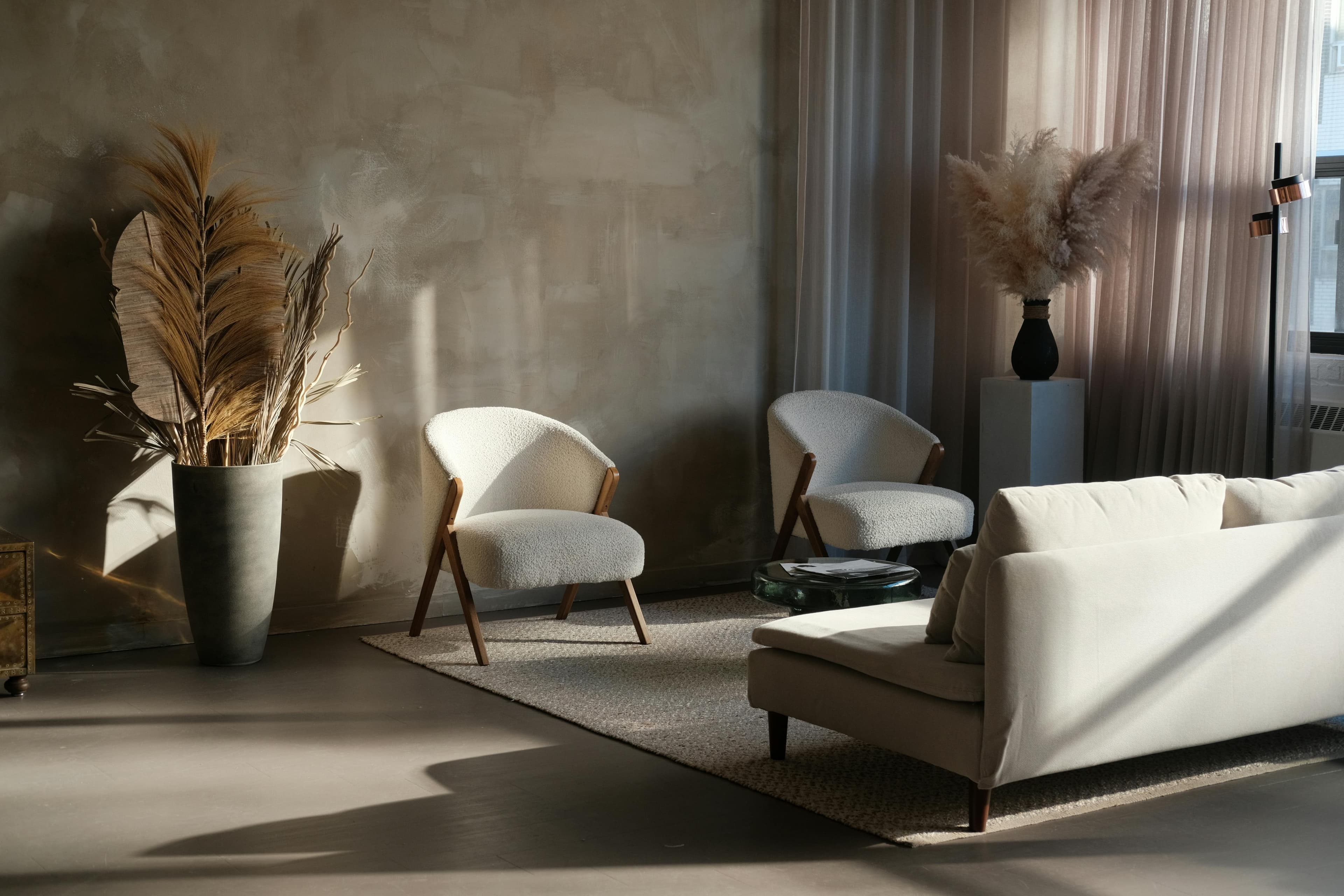
A Japandi room is not empty. It is edited. Every object has been considered: the ceramic bowl on the shelf, the linen throw on the chair, the low wooden platform that serves as both bed frame and side table. Nothing is decorative for its own sake — but everything is beautiful because it is used.
The Japandi colour palette
The core Japandi palette operates in a warm neutral register: white rice, raw linen, warm sand, pale ash, soft sage, and muted clay. The wall colour is almost always an off-white with warm undertones — never pure bright white, which reads as clinical rather than serene.
Accents are used sparingly and pulled from nature: a single terracotta vessel, a deep indigo cushion, a piece of dark-stained oak. The accent should feel found, not placed. The rule of thumb: one accent colour per room, applied to a maximum of three objects.
Floor materials matter. Light oak, bleached ash, and warm-toned concrete all work. Dark wood floors shift the balance toward a richer, more Japanese tonality — which is also valid but requires careful handling of the lighter elements above.
Key furniture pieces to get right
Low seating defines Japandi interiors. The Japanese design tradition favours sitting close to the ground — tatami rooms, floor cushions, low dining tables — and Scandinavian design has produced furniture that responds to this sensibility without being literally Japanese.
The Muuto Fiber Chair sits low and reads quietly. HAY's Hee Lounge Chair has the right proportions. For dining, a simple solid-oak table — round preferred, to soften the geometry — paired with chairs in natural rope or woven paper cord. Avoid high-gloss finishes; Japandi surfaces should feel touched, not polished.
Storage should be concealed or deliberately spare. A simple oak sideboard with clean lines does more than a display cabinet full of objects. The objects you do display should be singular and considered: one piece of pottery, one meaningful book, one plant.
Materials and texture
Japandi is primarily a material aesthetic. The surfaces are what carry the mood: rough linen, smooth oak, cool ceramic, warm rattan, aged paper. The skill is in layering these textures so the room reads as rich without feeling busy.
Start with natural fibre floor coverings — a flat-woven jute or a simple wool rug in a single tone. Add linen upholstery on the sofa. Introduce ceramics on surfaces: handmade bowls and vases with visible throwing marks, not machine-perfect forms. Add woven elements through baskets, lampshades, or wall hangings. Finally, introduce a single warm metal — brushed brass or aged bronze — in light fittings or door hardware.
The mistake most people make is buying too many things in the right style. Japandi requires fewer objects, not more. Edit ruthlessly.
Japandi shopping list by room
Living room: low sofa in linen or boucle, natural fibre rug, low coffee table in solid oak or stone, one ceramic lamp, two or three handmade ceramic pieces on a single shelf. Bedroom: low platform bed in solid timber, linen bedding in off-white, bedside table in oak or bamboo, pendant lamp rather than bedside lamps. Kitchen: open shelving in solid timber, simple ceramic dishware, one good cast iron pan on display. Throughout: plants — specifically those with strong architectural form: fiddle-leaf fig, snake plant, olive tree.